

By Heidi, Safe Steps Mobile Foot Care
An ingrowing toenail can start as a small annoyance but quickly become extremely painful if left untreated. Something as simple as putting on your shoes or walking the dog can become uncomfortable, and in some cases the nail can even become infected.
The good news is that most ingrowing toenails can be successfully treated, and there are simple steps you can take to help prevent them from returning.
What is an ingrowing toenail?
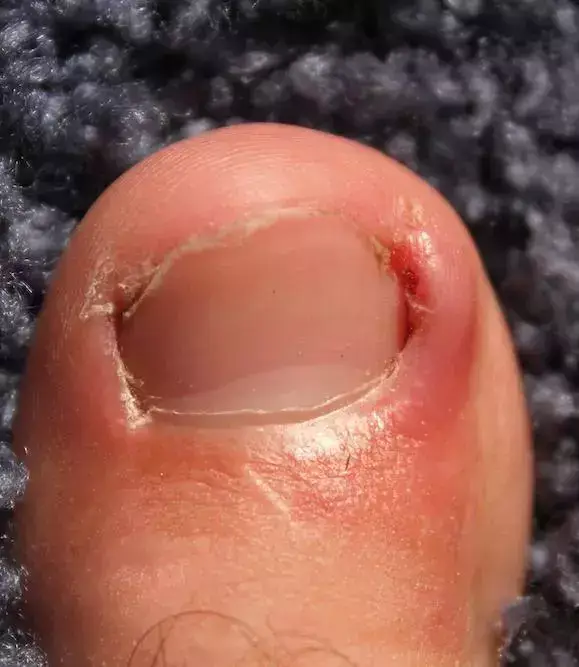
An ingrowing toenail (also known as an ingrown toenail) occurs when the edge or corner of the nail grows into the surrounding skin instead of over it.
Although it can affect any toe, it most commonly develops on the big toe.
As the nail presses into the skin, the body reacts as if it’s a foreign object, leading to pain, inflammation and sometimes infection.
Why do ingrowing toenails happen?
There are several reasons why an ingrowing toenail may develop.
Cutting nails too short
One of the most common causes is trimming the toenails too short or rounding off the corners. This encourages the nail to grow into the skin as it grows back.
Tight footwear
Shoes that squeeze the toes together place constant pressure on the nail, increasing the risk of it growing into the surrounding skin.
Injury
Dropping something heavy on your toe, stubbing it, or repeated pressure from running or certain sports can damage the nail and alter the way it grows.
Naturally curved nails
Some people simply have naturally curved or fan-shaped nails, making them more prone to ingrowing edges.
Thickened nails
As we age, or due to fungal nail infections, nails can become thicker and harder to cut, increasing the chance of them growing incorrectly.
Poor foot care
Leaving nails too long or attempting to dig down the sides of the nail yourself can make the problem much worse.
Signs and symptoms
An ingrowing toenail often develops gradually. Symptoms may include:
• Pain along one or both sides of the nail.
• Tenderness when wearing shoes.
• Redness and swelling.
• Warmth around the toe.
• Bleeding or discharge.
• Infection with pus.
• Excess tissue growing around the nail (known as proud flesh).
If left untreated, an ingrowing toenail can become increasingly painful and may lead to a more serious infection.
Who is more at risk?
Anyone can develop an ingrowing toenail, but it is more common in:
• Teenagers and young adults.
• People who wear tight-fitting footwear.
• Runners and athletes.
• People with naturally curved nails.
• Older adults with thickened nails.
• People with diabetes or poor circulation.
How can you prevent ingrowing toenails?
A few simple habits can make a big difference.
Cut your nails correctly
Always cut toenails:
• Straight across.
• Not too short.
• Without rounding the corners.
If you’re unsure, your Foot Health Practitioner can do this safely for you.
Wear shoes that fit properly
Choose footwear with:
• Plenty of room for your toes.
• Good support.
• A wide toe box if possible.
Your toes should never feel squeezed together.
Keep your feet clean
Wash and dry your feet daily, paying particular attention between the toes.
Avoid picking at the nail
Trying to dig out the corner yourself often makes the problem worse and increases the risk of infection.
Seek treatment early
The earlier an ingrowing toenail is treated, the easier it usually is to resolve.
What should you do if you have one?
If your toe is sore but not infected:
• Soak your foot in warm salty water for 10–15 minutes.
• Dry it thoroughly.
• Wear open-toed or wider footwear where possible.
• Avoid cutting down the sides of the nail.
If the area becomes swollen, hot, starts discharging pus or becomes increasingly painful, seek professional advice promptly.
How can a Foot Health Practitioner help?
Professional treatment can provide fast relief and help prevent recurring problems.
During your appointment I can:
• Assess the cause of the problem.
• Carefully remove the offending section of nail where appropriate.
• Reduce pressure on the nail.
• Clean and dress the area if needed.
• Provide advice on preventing future ingrowing nails.
• Recommend when further medical treatment or referral may be necessary.
Many patients tell me they wish they had sought help sooner, as relief is often immediate once the pressure has been removed.
A special note for people with diabetes
If you have diabetes, poor circulation or reduced sensation in your feet, never attempt to treat an ingrowing toenail yourself.
Even a small wound can develop into a more serious problem. It’s always best to seek professional advice as soon as you notice redness, swelling or pain.
Looking after your feet
Your feet carry you through life, and small problems can quickly become much bigger if ignored. Regular foot care and early treatment can help keep you active, comfortable and pain-free.
⸻
Need help with an ingrowing toenail?
I’m Heidi, your local Foot Health Practitioner, providing professional mobile foot care throughout Diss, Attleborough, Watton, Thetford, Wymondham and all surrounding villages.
Whether you’re suffering from an ingrowing toenail, corns, calluses, thickened nails or simply need routine foot care, I’m here to help in the comfort of your own home.
📞 Call or WhatsApp: 07543 480171