

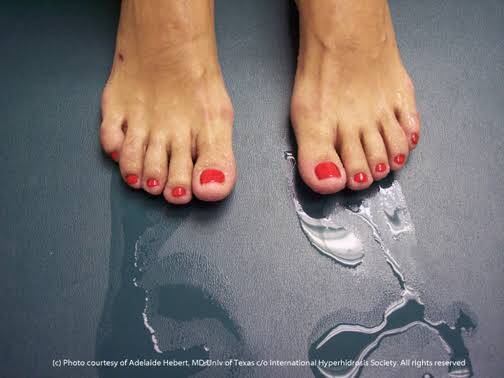
Sweaty Feet – Why Do They Happen, and What Can You Do About Them?
By Heidi, Safe Steps Mobile Foot Care
Sweaty feet are something many people experience, yet few feel comfortable talking about. While a little perspiration is perfectly normal, excessively sweaty feet can become uncomfortable, cause unpleasant odours and increase your risk of developing other foot problems.
The good news is that, in most cases, sweaty feet can be managed with a few simple changes to your daily routine.
At Safe Steps Mobile Foot Care, I regularly help people manage foot conditions caused by excessive sweating, helping them stay comfortable, confident and active.
What Causes Sweaty Feet?
Your feet contain around 250,000 sweat glands—more than any other part of your body.
Sweating helps regulate body temperature, but sometimes these glands become overactive, producing more sweat than is needed. This condition is known as plantar hyperhidrosis.
Why Do Feet Sweat?
There are many reasons why your feet may sweat more than normal.
Common causes include
Naturally overactive sweat glands
- Hot weather
- Wearing non-breathable footwear
- Synthetic socks
- Stress and anxiety
- Hormonal changes
- Exercise and physical activity
- Certain medications
- Medical conditions such as hyperhidrosis
Often, several of these factors occur together.
Who Is Most at Risk?
Sweaty feet can affect anyone but are more common in:
- Teenagers and young adults
- People who wear safety boots or work shoes for long periods
- Sportsmen and women
- Individuals who spend many hours on their feet
- People who naturally perspire heavily
- Those living in warmer climates
What Problems Can Sweaty Feet Cause?
Excess moisture creates the perfect environment for bacteria and fungi to thrive.
Over time this can lead to:
- Unpleasant foot odour
- Athlete’s foot
- Fungal nail infections
- Softened skin between the toes
- Blisters
- Skin irritation
- Increased friction inside shoes
- Cracked skin
- Greater risk of infection
The longer moisture remains trapped inside footwear, the greater the chance of these problems developing.
Why Do Sweaty Feet Smell?
Interestingly, sweat itself has very little smell.
The unpleasant odour develops when bacteria naturally present on the skin break down sweat and dead skin cells, producing the characteristic foot odour.
Keeping the feet clean and dry is the best way to reduce this.
Can Sweaty Feet Be Prevented?
In many cases, yes. Small changes to your daily routine can make a significant difference.
Wear Breathable Footwear
Choose shoes made from leather, mesh or other breathable materials.
Avoid wearing the same pair every day. Giving shoes 24 hours to dry out between wears allows moisture to evaporate.
Choose the Right Socks
Wear moisture-wicking socks made from bamboo, wool or specialist technical fabrics.
If your feet sweat heavily, changing your socks during the day can help.
Wash Your Feet Daily
Wash your feet thoroughly using warm water and mild soap.
Take particular care to clean between the toes.
Dry Your Feet Properly
Always dry between each toe after washing.
Moisture trapped between the toes encourages fungal infections such as athlete’s foot.
Use Foot Powders or Antiperspirants
Specialist foot powders and antiperspirants designed for feet can help reduce sweating and absorb excess moisture.
Treatment Options
Treatment depends on how severe the sweating has become.
Improve Foot Hygiene
Regular washing, drying and moisturising (avoiding between the toes) help maintain healthy skin.
Change Footwear Regularly
Alternating shoes allows them to dry thoroughly between uses.
Treat Any Infections Promptly
If athlete’s foot or a fungal nail infection develops, early treatment can prevent the problem from worsening.
Medical Advice
If excessive sweating is affecting your daily life or causing repeated infections, your GP may recommend stronger antiperspirants or other treatments.
Sweaty Feet and Diabetes
If you have diabetes, excessive sweating should not be ignored.
Moist skin is more prone to breakdown, fungal infections and bacterial infections. Reduced sensation means these problems may go unnoticed until they become more serious.
Regular diabetic foot checks are an important part of keeping your feet healthy.
When Should You Seek Professional Help?
It’s a good idea to seek advice if you notice:
- Persistent excessive sweating
- Strong foot odour despite good hygiene
- Recurrent athlete’s foot
- Repeated fungal nail infections
- Cracked or damaged skin
- Blisters that keep returning
- You have diabetes and notice any changes to your feet
Early treatment is often much simpler than dealing with complications later.
Safe Steps Mobile Foot Care
At Safe Steps Mobile Foot Care, I provide professional foot care in the comfort of your own home. Whether you’re struggling with sweaty feet, athlete’s foot, fungal nails, corns, callus, cracked heels or diabetic foot care, treatment is always tailored to your individual needs.
Healthy feet start with healthy skin. Keeping your feet clean, dry and well cared for can help prevent many common foot problems and keep you comfortable every day.
If excessive sweating is affecting your confidence or causing recurring foot problems, don’t ignore it—help is available. Healthy feet really do make a difference to your quality of life.