

Plantar Fasciitis – Why Does Your Heel Hurt, and What Can You Do About It?
By Heidi, Safe Steps Mobile Foot Care
Have you ever stepped out of bed in the morning and felt a sharp pain in your heel with your very first step? Or perhaps you’ve noticed heel pain after sitting for a while that gradually eases as you walk?
If so, you may be suffering from plantar fasciitis – one of the most common causes of heel pain.
Although plantar fasciitis can be extremely painful, the good news is that most people improve with the right treatment and advice.
At Safe Steps Mobile Foot Care, I regularly see patients who are experiencing heel pain. While plantar fasciitis isn’t something I treat directly, I can help identify the problem and refer you to a physiotherapist or podiatrist who can provide specialist treatment if appropriate.
What Is Plantar Fasciitis?
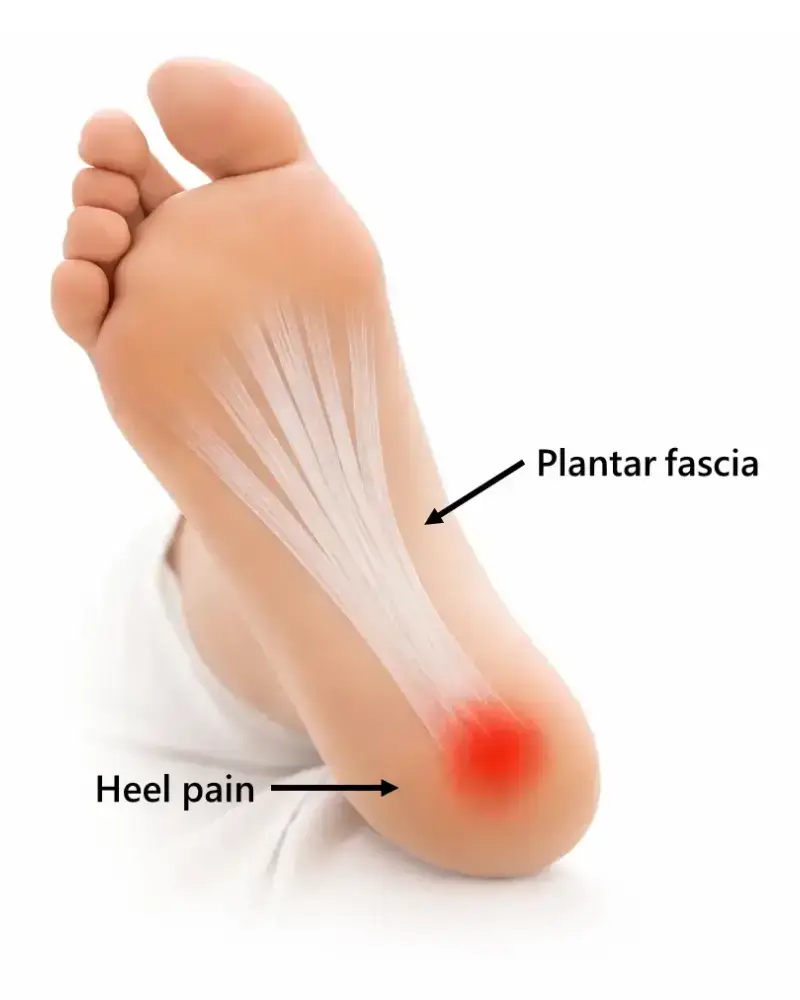
The plantar fascia is a thick, strong band of tissue that runs from your heel bone to the base of your toes. It acts like a supportive ligament, helping to maintain the arch of your foot and absorb the impact of walking.
When this tissue becomes irritated or overloaded, tiny tears can develop, leading to inflammation and pain. This condition is known as plantar fasciitis.
Despite its name, recent research suggests the condition is often more of a degenerative change in the tissue rather than inflammation alone, particularly when symptoms have been present for several months.
What Does Plantar Fasciitis Feel Like?
Symptoms commonly include:
• Sharp pain underneath the heel
• Pain during the first few steps in the morning
• Heel pain after sitting for a period of time
• Pain after long periods of standing
• Discomfort after exercise rather than during it
• Tenderness when pressing the inside of the heel
Many people describe the pain as feeling like they’re walking on a stone or drawing pin.
What Causes Plantar Fasciitis?
There isn’t usually one single cause. Instead, it often develops because the plantar fascia is placed under repeated strain.
Common causes include:
• Standing for long periods
• Sudden increases in walking or exercise
• Running on hard surfaces
• Poorly supportive footwear
• Tight calf muscles
• Tight Achilles tendons
• Flat feet
• High arches
• Carrying excess body weight
• Occupations that involve prolonged standing
Who Is Most at Risk?
Plantar fasciitis is more common in:
• Adults between 40 and 60 years of age
• Runners
• People who spend all day on their feet
• Healthcare workers
• Teachers
• Retail workers
• People who are overweight
• Individuals with tight calf muscles
What Problems Can Plantar Fasciitis Cause?
Without treatment, plantar fasciitis can become a long-term problem.
Possible complications include:
• Persistent heel pain
• Difficulty walking comfortably
• Reduced mobility
• Altered walking pattern (which can lead to knee, hip or back pain)
• Reduced participation in exercise
• Ongoing discomfort affecting everyday activities
Can Plantar Fasciitis Be Prevented?
Although it can’t always be prevented, there are several ways to reduce your risk.
Wear Supportive Footwear
Choose shoes with:
• Good arch support
• Cushioned soles
• A supportive heel
• Proper shock absorption
Avoid worn-out shoes that no longer provide adequate support.
Stretch Regularly
Gentle stretching of the calf muscles and plantar fascia can help maintain flexibility.
Increase Activity Gradually
Avoid suddenly increasing your walking, running or exercise routine.
Maintain a Healthy Weight
Reducing unnecessary pressure on the feet can significantly decrease strain on the plantar fascia.
Replace Running Shoes Regularly
If you’re a runner, worn footwear may contribute to heel pain.
Treatment Options
Treatment often focuses on reducing strain on the plantar fascia while allowing the tissue to recover.
Treatment may include:
Stretching Exercises
Specific exercises for the plantar fascia and calf muscles are often one of the most effective treatments.
Footwear Advice
Supportive footwear can make a significant difference.
Orthotic Insoles
Some people benefit from specialist insoles prescribed by a podiatrist to improve foot mechanics and reduce strain.
Physiotherapy
A physiotherapist can assess how your feet, ankles and lower limbs are functioning and provide targeted exercises, manual therapy and advice to aid recovery.
Pain Relief
Your GP or pharmacist may advise suitable pain relief or anti-inflammatory medication if appropriate.
In more persistent cases, a podiatrist or specialist may discuss additional treatment options.
When Should You Seek Professional Help?
It’s a good idea to seek advice if you notice:
• Heel pain lasting more than a few weeks
• Pain that’s getting worse
• Difficulty walking
• Pain that affects your daily activities
• Swelling, redness or significant bruising
• You have diabetes or another medical condition affecting your feet
The earlier plantar fasciitis is assessed, the sooner appropriate treatment can begin.
How Can Safe Steps Mobile Foot Care Help?
Although I don’t provide treatment for plantar fasciitis itself, I can assess your feet, discuss your symptoms and help determine whether your heel pain may be caused by plantar fasciitis or another foot condition.
If I believe plantar fasciitis is the likely cause, I will recommend referral to a physiotherapist or podiatrist, who can provide specialist assessment and treatment.
If you’re also experiencing hard skin, corns, thickened nails or other foot health concerns alongside your heel pain, I can help manage those as part of your overall foot care.
Safe Steps Mobile Foot Care
At Safe Steps Mobile Foot Care, I provide professional foot care in the comfort of your own home. Whether you’re struggling with corns, callus, thickened nails, cracked heels, diabetic foot care or simply want to keep your feet healthy, every treatment is tailored to your individual needs.
If you’re experiencing persistent heel pain, don’t ignore it. Early assessment and the right referral can make a significant difference, helping you get back to walking comfortably and enjoying your everyday activities.