

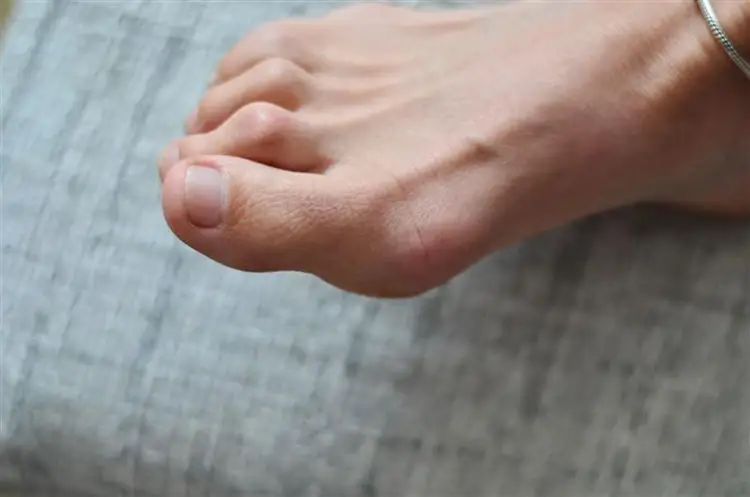
Hammer Toes – Why Do Toes Curl, and What Can You Do About Them?
Have you noticed one or more of your toes beginning to curl, bend or rub against your shoes? You may have a condition commonly known as a hammer toe. While it often starts as a minor inconvenience, if left untreated it can become painful, affect your balance, and make everyday walking uncomfortable.
At Safe Steps Mobile Foot Care, I regularly help people manage painful hammer toes in the comfort of their own homes. Understanding what causes them and taking action early can make a huge difference.
What Is a Hammer Toe?
A hammer toe is a deformity where one or more of the smaller toes bend abnormally at one or more joints instead of lying flat. Over time, the muscles, tendons and ligaments that normally keep the toe straight become imbalanced, causing the toe to remain in a bent position.
The condition most commonly affects the second toe but can also involve the third, fourth or even fifth toe.
The Different Types of Curled Toes
Although many people refer to them all as “hammer toes,” there are actually several different types.
Hammer Toe
The middle joint (the proximal interphalangeal joint) bends downwards, giving the toe its characteristic hammer-like appearance. This is the most common type.
Mallet Toe
Only the joint nearest the tip of the toe bends downwards, causing the end of the toe to point towards the floor.
Claw Toe
Both the middle and end joints bend, causing the toe to curl under. Claw toes often affect several toes at once and are commonly associated with nerve or muscle conditions.
What Causes Hammer Toes?
There isn’t usually a single cause. Instead, several factors often work together.
Common causes include:
• Wearing shoes that are too tight or have a narrow toe box
• High-heeled shoes that force the toes forwards
• Bunions changing the position of the toes
• Flat feet or very high arches
• Arthritis affecting the joints
• Previous foot injuries
• Muscle imbalance
• Diabetes or neurological conditions affecting the nerves and muscles
• Genetics – some people simply inherit foot shapes that make hammer toes more likely
Who Is Most at Risk?
Hammer toes are more common in:
• Adults over 50
• Women (often due to footwear choices)
• People with bunions
• Those with arthritis
• Diabetic patients
• People who spend long periods standing
• Anyone with poorly fitting footwear
What Problems Can Hammer Toes Cause?
Initially, a hammer toe may simply look unusual. However, as it progresses it can lead to:
• Pain when walking
• Difficulty finding comfortable shoes
• Corns on the tops of the toes
• Hard skin on pressure points
• Pain beneath the ball of the foot
• Inflamed joints
• Blisters from rubbing
• Reduced balance and stability
• Increased risk of falls in older adults
If left untreated, the toe may eventually become rigid and impossible to straighten without surgery.
Can Hammer Toes Be Prevented?
In many cases, yes—especially if treatment begins while the toe is still flexible.
Helpful preventative measures include:
Choose Appropriate Footwear
Wear shoes with:
• A wide, deep toe box
• Low heels
• Soft uppers
• Plenty of room for your toes to move naturally
Avoid shoes that squeeze your toes together.
Keep Your Feet Strong
Simple toe exercises can help maintain flexibility:
• Picking up a towel with your toes
• Marble pickups
• Gentle toe stretches
• Toe spreading exercises
Protect Pressure Areas
Silicone toe sleeves or toe separators may reduce rubbing and help improve comfort.
Maintain Healthy Feet
Regular foot care helps identify problems early before they become more severe.
Treatment Options
Treatment depends on how advanced the hammer toe has become.
Professional Foot Care
A Foot Health Practitioner can:
• Remove painful corns and hard skin
• Reduce pressure areas
• Advise on footwear
• Recommend protective padding
• Monitor changes over time
• Help improve comfort and mobility
Footwear Advice
Sometimes simply changing footwear significantly reduces pain and prevents the condition from worsening.
Orthotic Insoles
In some cases, orthotic insoles may help improve foot mechanics and reduce excessive pressure.
Stretching and Exercises
If the toe is still flexible, daily exercises may help maintain movement and reduce stiffness.
Surgery
If the toe becomes rigid and very painful, surgery may be recommended by an orthopaedic foot surgeon or podiatrist. Surgery aims to straighten the toe and relieve pain when conservative treatments are no longer effective.
Hammer Toes and Diabetes
If you have diabetes, hammer toes deserve extra attention.
The curled position of the toes increases pressure, making corns, blisters and ulcers more likely. Reduced sensation means injuries may go unnoticed, increasing the risk of infection.
Regular diabetic foot checks and prompt treatment of any pressure areas are extremely important.
When Should You Seek Professional Help?
It’s a good idea to seek advice if you notice:
• A toe beginning to curl
• Pain when walking
• Corns or hard skin repeatedly returning
• Difficulty finding comfortable shoes
• Redness, swelling or inflammation
• Any wound that isn’t healing
• You have diabetes and notice changes in your toes
Early treatment is usually much simpler than waiting until the toe becomes permanently fixed.
Safe Steps Mobile Foot Care
At Safe Steps Mobile Foot Care, I provide professional foot care in the comfort of your own home. Whether you’re struggling with painful hammer toes, corns, callus, thickened nails or diabetic foot care, treatment is always tailored to your individual needs.
Early intervention can help reduce discomfort, improve mobility and keep you walking comfortably for years to come.
Healthy feet really do make a difference to your quality of life. If your toes are beginning to curl or become painful, don’t ignore them—help is available.
Tinea Pedis and the Different Types
By Heidi, Safe Steps Mobile Foot Care
Bunions
Bunions: Causes, Care & How a Foot Health Professional Can Help Bunions are a common foot problem that can cause pain, pressure and difficulty finding comfortable shoes. Understanding why they happen and how to look after your feet can help prevent them becoming a bigger problem.
Chilblains
Chilblains are small, itchy or painful patches that can develop on the toes and feet after exposure to cold temperatures. Although they are usually harmless and disappear on their own, they can be uncomfortable and, in some cases, become broken, infected or particularly troublesome.
End of holiday season footcare
End of Summer Feet – Time to Give Your Feet Some TLC! 👣☀️
Sweaty Feet
Sweaty Feet – Why Do They Happen, and What Can You Do About Them?
Plantar Fasciitis
Plantar Fasciitis – Why Does Your Heel Hurt, and What Can You Do About It?
Hammer Toes
Hammer Toes – Why Do Toes Curl, and What Can You Do About Them?
Diabetes and Footcare
Diabetes and Foot Care: Why Looking After Your Feet Could Save More Than Your Mobility
Thickened/Fungal Toe Nails
Fungal Toenails: Causes, Prevention and Treatment
Corns
Corns: What They Are, Why They Develop and How to Keep Them at Bay
Ingrowing Toenails
By Heidi, Safe Steps Mobile Foot Care