

Fungal Toenails: Causes, Prevention and Treatment
By Heidi, Safe Steps Mobile Foot Care
Fungal toenails are a very common condition, particularly as we get older. While they are rarely dangerous, they can be unsightly, difficult to manage and, in some cases, uncomfortable or even painful.
Many people ignore the early signs, hoping the problem will disappear on its own. Unfortunately, fungal nail infections rarely clear without treatment and often worsen over time.
The good news is that with the right care and advice, fungal nails can often be managed successfully.
What is a fungal nail infection?
A fungal nail infection (also known as Onychomycosis) occurs when microscopic fungi invade the nail through tiny cracks or breaks in the nail or surrounding skin.
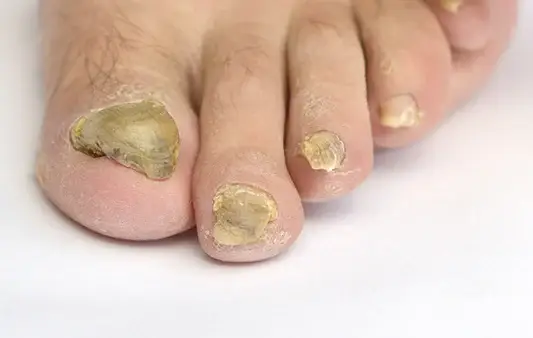
The infection usually starts at the edge of the nail and gradually spreads underneath it, causing the nail to change colour, thicken and become brittle.
Toenails are far more commonly affected than fingernails because fungi thrive in the warm, dark and often damp environment inside our shoes.
How do fungal nail infections develop?
Fungal spores are present almost everywhere in our environment, but they only cause an infection when they find the right conditions to grow.
Common ways you can pick up a fungal nail infection include:
• Walking barefoot around swimming pools or communal changing rooms.
• Wearing damp socks or shoes for long periods.
• Sharing nail clippers or footwear.
• Having untreated athlete’s foot.
• Small injuries or trauma to the n
• Wearing tight-fitting footwear that damages the nail.
Often, people don’t even realise when the infection first begins.
Who is most at risk?
Although anyone can develop fungal nails, they are more common in:
• Older adults.
• People with diabetes.
• Those with poor circulation.
• People who suffer from athlete’s foot.
• Regular swimmers.
• Gym users.
• Runners and sports enthusiasts.
• Anyone whose feet sweat excessively.
As we age, nails naturally grow more slowly, making it easier for fungal infections to become established.
Signs and symptoms
Fungal nail infections often develop slowly. You may notice:
• Yellow, white or brown discolouration.
• Thickened nails.
• Brittle or crumbly edges.
• Nails lifting away from the nail bed.
• Distorted nail shape.
• A dull or rough appearance.
• An unpleasant smell in severe cases.
• Pain when wearing shoes if the nail becomes very thick.
Not every thickened nail is caused by fungus, which is why professional assessment is important.
Can fungal nails spread?
Yes.
Fungal nail infections can spread:
• To your other toenails.
• To your fingernails.
• To other members of your household.
• To the skin, causing athlete’s foot.
Early treatment can help prevent the infection from spreading further.
How can you prevent fungal nails?
There are several simple ways to reduce your risk.
Keep your feet clean and dry
Wash your feet daily and dry carefully between each toe.
Change your socks every day
Fresh socks help reduce moisture, which fungi thrive on.
Wear breathable footwear
Choose shoes that allow air to circulate and avoid wearing the same pair every day if possible. Let shoes dry out thoroughly before wearing them again.
Wear flip-flops in communal areas
Swimming pools, leisure centres and communal showers are common places where fungal infections can spread.
Treat athlete’s foot promptly
Athlete’s foot is one of the biggest risk factors for developing fungal nail infections.
Don’t share nail equipment
Keep your nail clippers, files and foot care tools for your own personal use.
How are fungal nails treated?
Treatment depends on how advanced the infection is.
Professional nail reduction
One of the most effective ways to improve comfort is by professionally reducing the thickness of the infected nail. This relieves pressure inside footwear and allows topical treatments to penetrate more effectively.
Antifungal nail treatments
Prescription or pharmacy antifungal lacquers and solutions can help, particularly when treatment begins early. They usually need to be applied consistently for several months.
Oral antifungal medication
For more severe infections, your GP may prescribe oral antifungal tablets. These treatments can be very effective but are not suitable for everyone and may require monitoring.
Good nail care
Keeping the nail trimmed and thinned by a Foot Health Practitioner helps improve comfort and supports other treatments.
It’s important to remember that toenails grow very slowly. Even after successful treatment, it can take 12 to 18 months for a healthy new nail to fully grow through.
Can you treat fungal nails with home remedies?
You may hear about remedies such as vinegar soaks, tea tree oil or other natural treatments. While some people report improvement, there is limited scientific evidence that these methods cure fungal nail infections.
If you suspect a fungal infection, seeking professional advice is usually the best place to start.
How can a Foot Health Practitioner help?
During your appointment I can:
• Assess whether your nail changes are likely to be fungal.
• Professionally reduce thickened nails.
• Improve comfort when walking.
• Advise on the most appropriate treatment options.
• Help prevent the infection from worsening.
• Provide guidance on reducing the risk of recurrence.
• Recommend when you should see your GP for further assessment or prescription treatment.
Many patients tell me they feel immediate relief once thickened fungal nails have been professionally reduced.
When should you seek professional advice?
You should seek advice if:
• Your nail becomes painful.
• The nail is becoming increasingly thick.
• Several nails are affected.
• The infection keeps returning.
• You have diabetes or poor circulation.
• You’re unsure whether the nail changes are caused by fungus.
Early treatment often produces the best results and helps prevent long-term damage to the nail.
Looking after your feet
Healthy toenails are an important part of healthy feet. Taking action early, practising good foot hygiene and seeking professional advice can help keep your nails comfortable, healthy and easier to manage.
⸻
Need help with fungal toenails?
I’m Heidi, your local Foot Health Practitioner, providing professional mobile foot care throughout Diss, Attleborough, Watton, Thetford, Wymondham and all surrounding villages.
Whether you’re dealing with fungal nails, thickened toenails, corns, calluses or simply need routine foot care, I provide professional treatment in the comfort of your own home.
📞 Call or WhatsApp: 07543 480171
Tinea Pedis and the Different Types
By Heidi, Safe Steps Mobile Foot Care
Bunions
Bunions: Causes, Care & How a Foot Health Professional Can Help Bunions are a common foot problem that can cause pain, pressure and difficulty finding comfortable shoes. Understanding why they happen and how to look after your feet can help prevent them becoming a bigger problem.
Chilblains
Chilblains are small, itchy or painful patches that can develop on the toes and feet after exposure to cold temperatures. Although they are usually harmless and disappear on their own, they can be uncomfortable and, in some cases, become broken, infected or particularly troublesome.
End of holiday season footcare
End of Summer Feet – Time to Give Your Feet Some TLC! 👣☀️
Sweaty Feet
Sweaty Feet – Why Do They Happen, and What Can You Do About Them?
Plantar Fasciitis
Plantar Fasciitis – Why Does Your Heel Hurt, and What Can You Do About It?
Hammer Toes
Hammer Toes – Why Do Toes Curl, and What Can You Do About Them?
Diabetes and Footcare
Diabetes and Foot Care: Why Looking After Your Feet Could Save More Than Your Mobility
Thickened/Fungal Toe Nails
Fungal Toenails: Causes, Prevention and Treatment
Corns
Corns: What They Are, Why They Develop and How to Keep Them at Bay
Ingrowing Toenails
By Heidi, Safe Steps Mobile Foot Care