

Bunions: Causes, Care & How a Foot Health Professional Can Help
Bunions are a common foot problem that can cause pain, pressure and difficulty finding comfortable shoes. Understanding why they happen and how to look after your feet can help prevent them becoming a bigger problem.
What are bunions?
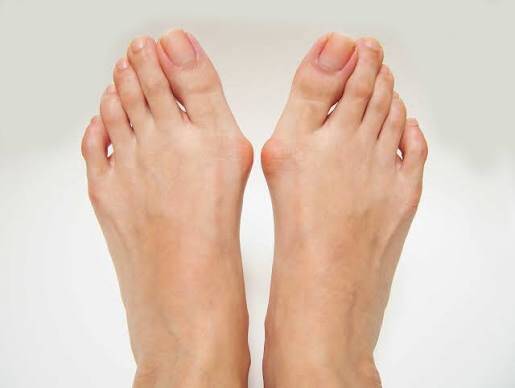
A bunion is a bony prominence at the base of the big toe, with the big toe gradually angling towards the other toes. The area can become red, swollen or sore, particularly when footwear presses against it.
Some people have bunions without pain and may not need treatment. Others develop rubbing, corns or calluses, difficulty finding comfortable shoes, or pain around the forefoot.
How do bunions come about?
Foot structure & genetics
Foot shape and inherited characteristics can make some people more prone to developing bunions. The exact cause is not always clear.
Foot mechanics
How the foot moves and bears weight can contribute. Factors such as joint laxity and certain foot types may increase susceptibility.
Footwear
Narrow or high-heeled shoes may not be the original cause, but they can squeeze the toes, increase rubbing and make existing symptoms worse.
How can you look after a bunion?
Give your toes room
Choose shoes with a wide, deep toe box, a comfortable fit and a low heel. Adjustable fastenings can help keep the foot secure without squeezing it.
Reduce rubbing
Soft bunion pads or suitable inserts may reduce friction and pressure. Make sure any product actually feels comfortable and does not crowd the toes.
Look after the skin
Check for redness, blisters, corns or hard skin. Moisturising can help dry skin; avoid aggressively cutting or shaving skin yourself.
Manage flare-ups
Resting the foot and using a wrapped cold pack for a short period can help with soreness. A pharmacist can advise on suitable pain relief for you.
How can a foot health practitioner help?
A suitably qualified foot health practitioner or podiatrist can assess the bunion, the surrounding skin and nails, footwear, pressure areas and how the foot functions. They can then help you build a practical plan around your symptoms.
Footwear advice
Help you choose footwear that gives the forefoot enough width and depth and reduces pressure over the bunion.
Skin & pressure care
Where within their scope of practice, they can manage corns and callus and advise on padding or pressure relief.
Assessment & onward referral
They can identify when symptoms need further assessment and may advise you to see a GP, podiatrist or other clinician.
Add comment
Comments