

Chilblains: What They Are, How to Treat Them and When to See a Foot Health Professional
Chilblains are small, itchy or painful patches that can develop on the toes and feet after exposure to cold temperatures. Although they are usually harmless and disappear on their own, they can be uncomfortable and, in some cases, become broken, infected or particularly troublesome.
If you regularly suffer from cold feet or recurring chilblains, understanding why they happen and how to look after your feet can help prevent them from becoming a bigger problem.
What are chilblains?
Chilblains, also known as pernio, are a reaction of the small blood vessels in the skin to changes in temperature. They commonly appear on the toes, fingers, heels and other extremities.
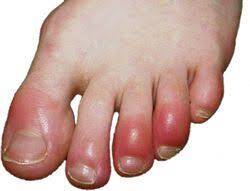
They may look like small red, purple or swollen patches on the skin. You may also experience:
- Itching or burning
- Tenderness or pain
- Swelling
- A change in skin colour
- Dry or cracked skin
- Blisters in more severe cases
For most people, chilblains settle within a few weeks, particularly when the affected area is kept warm and protected.
How do chilblains come about?
Interestingly, chilblains are not simply caused by having cold feet. They can occur when cold skin is warmed too quickly.
When your feet become cold, the small blood vessels constrict to help conserve heat. If the feet are then warmed rapidly, the surrounding blood vessels may not respond quickly enough, causing blood to leak into the surrounding tissues. This can result in the characteristic swelling, redness and irritation associated with chilblains.
They are more common during colder weather and can be particularly troublesome for people whose feet become cold easily.
Poor circulation, smoking, low body weight and spending prolonged periods in cold conditions may increase the risk. Some underlying medical conditions can also cause circulation problems or make chilblains more likely.
How can you treat chilblains?
The good news is that most chilblains can be managed with simple measures.
Keep your feet warm — but warm them gradually
Wear warm, comfortable socks and properly fitting footwear. Avoid placing cold feet directly against a radiator, hot-water bottle or other intense heat source. Gradual warming is important, particularly if your feet are numb, because you may not immediately realise that the heat is too intense.
Look after your skin
Keeping the skin moisturised can help prevent dryness and cracking. A suitable foot moisturiser can be applied regularly, avoiding areas where the skin is broken.
Do not scratch chilblains, even if they are itchy, as this can damage the skin and potentially introduce infection.
Keep moving
Gentle movement and regular activity can help maintain circulation. If you spend long periods sitting down, try moving your feet and ankles regularly.
Don't ignore broken skin
If a chilblain becomes blistered or the skin breaks, keep the area clean and protected. Avoid applying products to an open wound unless they are appropriate for that purpose.
When should you see a Foot Health Professional?
Although many chilblains resolve without professional treatment, a Foot Health Professional (FHP) can be useful if you are experiencing recurring or particularly uncomfortable problems.
Consider making an appointment if:
- Your chilblains keep coming back.
- They are particularly painful or uncomfortable.
- The skin has cracked or broken.
- You have developed a blister or wound.
- You are concerned about changes to the skin on your feet.
- You are unsure whether the problem is actually a chilblain.
- You have difficulty caring for your feet yourself.
A FHP can examine your feet, provide appropriate foot-care advice and help you establish a routine to reduce the risk of future problems. Where appropriate, they can also advise you when you should seek further assessment from your GP or another healthcare professional.
When should you seek medical advice?
If a chilblain does not improve, becomes increasingly painful, develops signs of infection or keeps recurring, it is important to seek medical advice. This is particularly important if you have a condition that affects circulation, sensation or healing, such as diabetes.
Signs that may indicate infection include increasing redness, warmth, swelling, worsening pain or discharge from the affected area.
Prevention is better than cure
If you are prone to chilblains, start thinking about prevention before the cold weather arrives. Keep your feet comfortably warm, choose footwear that fits properly and avoid allowing your feet to become extremely cold.
Remember that warm does not mean hot. Rapidly heating cold feet can make the problem worse and can potentially damage the skin.
Looking after your feet this winter
Chilblains may seem like a minor winter irritation, but persistent or recurring problems shouldn't simply be ignored. Taking care of your feet throughout the colder months can help protect your skin and keep you comfortable.
Add comment
Comments