

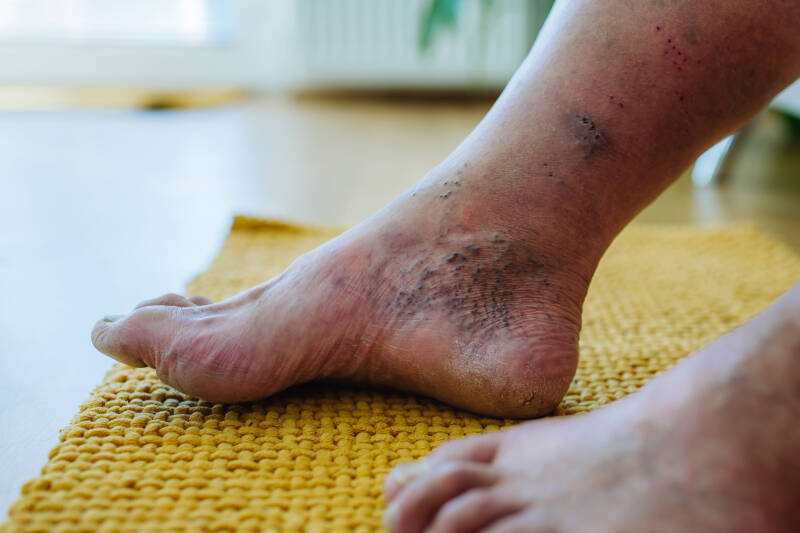
Diabetes and Foot Care: Why Looking After Your Feet Could Save More Than Your Mobility
By Heidi, Safe Steps Mobile Foot Care
Living with diabetes means looking after your health in many different ways, but one area that’s often overlooked is your feet. Yet, diabetes can have a significant impact on foot health, and even a small cut, blister or ingrowing toenail can quickly become a serious problem if left untreated.
The good news is that with regular foot checks, good daily care and professional foot treatment, most diabetic foot complications can be prevented.
Why does diabetes affect your feet?
High blood sugar levels over time can damage the nerves and blood vessels that keep your feet healthy. This can lead to two common complications:
Peripheral Neuropathy (Nerve Damage)
Diabetes can damage the nerves in your feet, reducing your ability to feel pain, heat or injury.
This means you may not notice:
- A blister from a new pair of shoes.
- A small cut or scratch.
- A stone in your shoe.
- A burn from hot sand or a hot water bottle.
- A developing corn or callus.
Without pain to alert you, these minor injuries can worsen before you realise there’s a problem.
Poor Circulation (Peripheral Arterial Disease)
Diabetes can also reduce blood flow to your feet.
Healthy circulation is essential because it delivers oxygen and nutrients needed for healing. Poor circulation means wounds take longer to heal and are more likely to become infected.
Why are diabetic feet more at risk?
When reduced sensation and poor circulation occur together, the risk of foot complications increases significantly.
Something as small as a cracked heel or a blister can develop into a foot ulcer if not treated promptly.
This is why people with diabetes are advised to check their feet every day and attend regular foot assessments.
What should you look out for?
It’s important to examine your feet daily. If you struggle to see the soles of your feet, use a mirror or ask someone to help.
Check for:
- Cuts or grazes.
- Blisters.
- Redness.
- Swelling.
- Corns or calluses.
- Cracked heels.
- Ingrowing toenails.
- Thickened or fungal nails.
- Changes in skin colour.
- New pain or discomfort.
- Areas that feel unusually warm.
- Any discharge or unpleasant smell.
Even if something seems minor, it’s always better to have it checked.
Never ignore these warning signs
Seek medical advice immediately if you notice:
- An open wound or ulcer.
- Blackened skin.
- Increasing redness.
- Swelling.
- Pus or discharge.
- A foot that feels hot to the touch.
- Sudden pain or swelling.
- A cut that isn’t healing.
- Fever alongside a foot wound.
Prompt treatment can prevent serious complications.
How can you protect your feet?
Looking after diabetic feet doesn’t need to be complicated. Small daily habits can make a huge difference.
Check your feet every day
Look for anything unusual, even if it doesn’t hurt.
Wash your feet daily
Use warm (not hot) water and dry carefully, especially between the toes.
Always test the water temperature with your elbow or hand if you have reduced sensation.
Moisturise your skin
Dry skin can crack, creating an entry point for bacteria.
Apply a moisturising foot cream every day, but avoid putting cream between the toes, where excess moisture can encourage fungal infections.
Wear well-fitting footwear
Choose shoes that:
- Fit properly.
- Have plenty of room for your toes.
- Protect your feet from injury.
- Don’t rub or create pressure points.
Always check inside your shoes before putting them on to make sure there are no small stones, loose stitching or objects that could damage your feet.
Never walk barefoot
Even around the house, it’s safer to wear supportive slippers or shoes to reduce the risk of injury.
Trim nails carefully
Cut nails straight across without cutting into the corners.
If your nails are thick, difficult to manage or your eyesight isn’t as good as it once was, it’s much safer to have them professionally cared for.
Why is professional foot care so important?
Many diabetic foot problems begin with something small that could have been treated easily if spotted early.
As a Foot Health Practitioner, I can:
- Carry out regular foot assessments.
- Safely trim toenails.
- Reduce painful hard skin and calluses.
- Treat corns.
- Monitor changes in your feet over time.
- Recognise early warning signs of potential problems.
- Offer advice on footwear and daily foot care.
- Recommend when referral to your GP or podiatry team is needed.
Regular appointments can help identify problems before they become serious.
Should you use corn plasters or sharp tools?
If you have diabetes, the answer is no.
Avoid:
- Corn plasters containing acid.
- Razor blades.
- Foot graters with blades.
- Trying to cut corns or hard skin yourself.
- Digging out ingrowing toenails.
These can cause injuries that may be slow to heal and increase the risk of infection.
The importance of early intervention
Many serious diabetic foot complications begin with something that seemed insignificant—a small blister, a crack in the skin or an unnoticed ingrowing toenail.
The earlier a problem is identified and treated, the better the outcome is likely to be.
Regular professional foot care, combined with daily self-checks, is one of the best ways to keep your feet healthy, comfortable and active.
Healthy feet help you stay independent
Your feet carry you through every stage of life. If you have diabetes, taking a few extra minutes each day to care for them can help prevent complications and keep you mobile for years to come.
Remember, prevention is always better than cure, and seeking professional advice early could make all the difference.
⸻
Caring for diabetic feet in the comfort of your own home
I’m Heidi, your local Foot Health Practitioner, providing professional mobile foot care throughout Diss, Attleborough, Watton, Thetford, Wymondham and all surrounding villages.
I offer gentle, professional diabetic foot care, routine nail care, treatment for corns, calluses, cracked heels and thickened nails, along with regular foot health assessments—all in the comfort of your own home.
📞 Call or WhatsApp: 07543 480171
Your feet deserve expert care. If you have diabetes, don’t wait until a small problem becomes a serious one. Regular professional foot care can help keep you safe, comfortable and confidently on your feet.